Plats incontournables à Shanghai

Xiaolongbao
Delicate steamed soup dumplings with a thin, translucent wrapper and a burst of hot pork broth inside.
Lire la suite →
Shengjianbao
Pan-fried pork buns with a crispy golden bottom, juicy filling, and sprinkled with sesame and scallions.
Lire la suite →
Red Braised Pork Belly
Melt-in-your-mouth pork belly braised in soy sauce, caramelized sugar, and Shaoxing wine — the soul of Shanghai home cooking.
Lire la suite →
Shanghai Hairy Crab
A seasonal delicacy — steamed female crabs prized for their golden roe and sweet, delicate meat.
Lire la suite →
Yanduxian
A hearty spring soup of cured pork, fresh pork, tender bamboo shoots, and tofu knots — pure Shanghai umami.
Lire la suite →
Eight Treasure Duck
A whole duck deboned, stuffed with glutinous rice and eight treasures, then braised to perfection — a banquet showstopper.
Lire la suite →
Scallion Oil Noodles
A deceptively simple dish — chewy noodles tossed in fragrant scallion-infused oil and soy sauce.
Lire la suite →
Sweet and Sour Spare Ribs
Tender pork spare ribs glazed in a sweet-sour sauce — a Shanghainese banquet classic.
Lire la suite →
Sixi Kaofu
A cold appetizer of wheat gluten, wood ear mushrooms, and peanuts in a savory-sweet soy glaze.
Lire la suite →
Crab Meat Tofu
Silky tofu with fresh crab meat and roe in a delicate, golden sauce — a taste of Shanghai luxury.
Lire la suite →
Oil-Exploded Shrimp
Whole river shrimp quickly deep-fried and wok-tossed in a sweet-savory glaze — crispy shells, tender meat.
Lire la suite →
Nanxiang Xiaolongbao
The original xiaolongbao from Nanxiang — smaller, thinner-skinned, and even more delicate.
Lire la suite →
Pork Chop with Rice Cakes
Crispy deep-fried pork chop paired with soft, chewy rice cakes in a sweet soy glaze — Shanghai street food at its best.
Lire la suite →
Jiuniang Yuanzi
Sweet fermented rice soup with tiny chewy glutinous rice balls — a warm, comforting Shanghai dessert.
Lire la suite →
Fengjing Braised Trotters
Pork trotters slowly braised in soy sauce until impossibly tender — a specialty of Shanghai's Fengjing water town.
Lire la suite →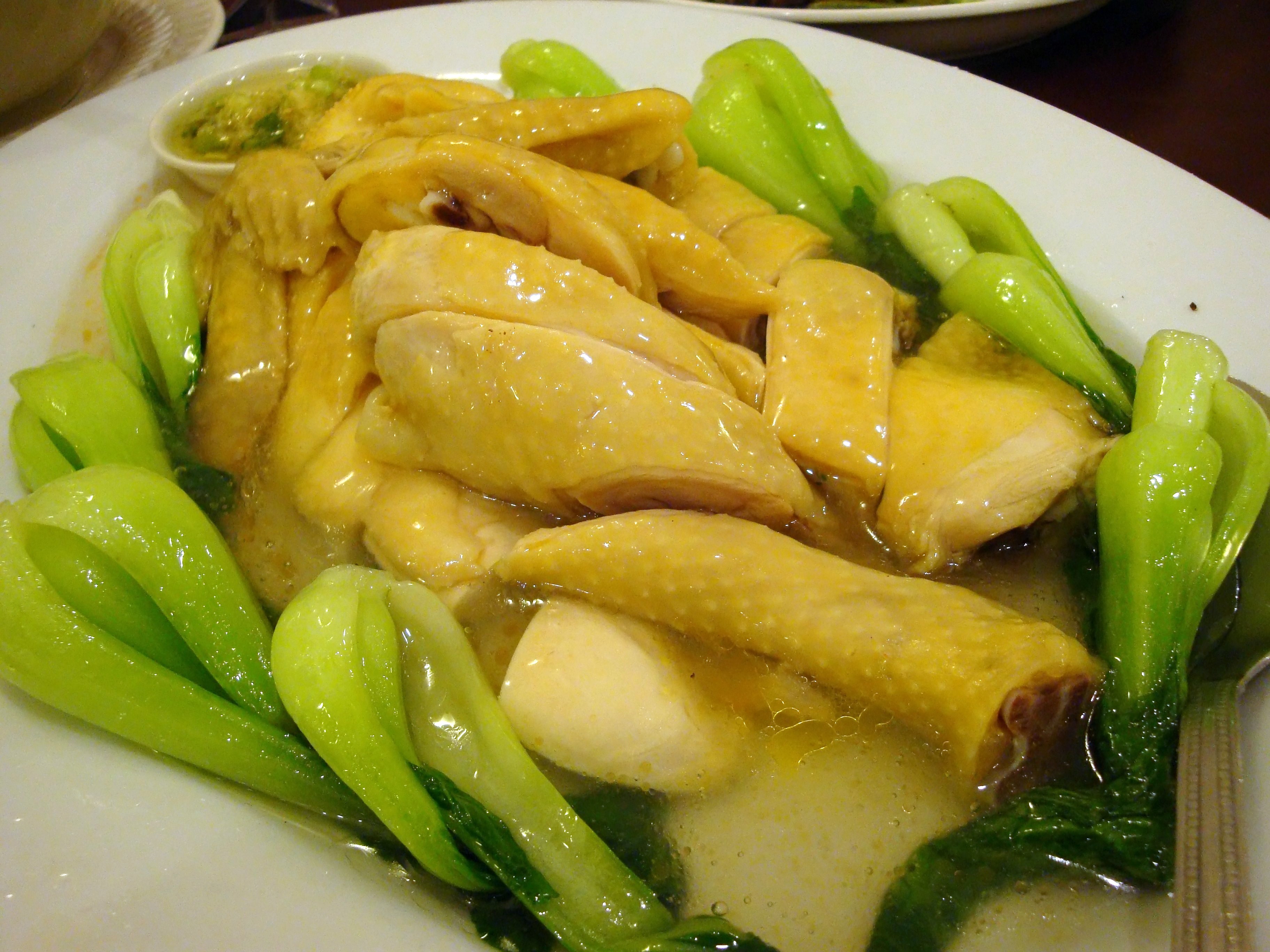
White Cut Chicken
Poached whole chicken served cold with ginger-scallion oil — simplicity elevated to an art.
Lire la suite →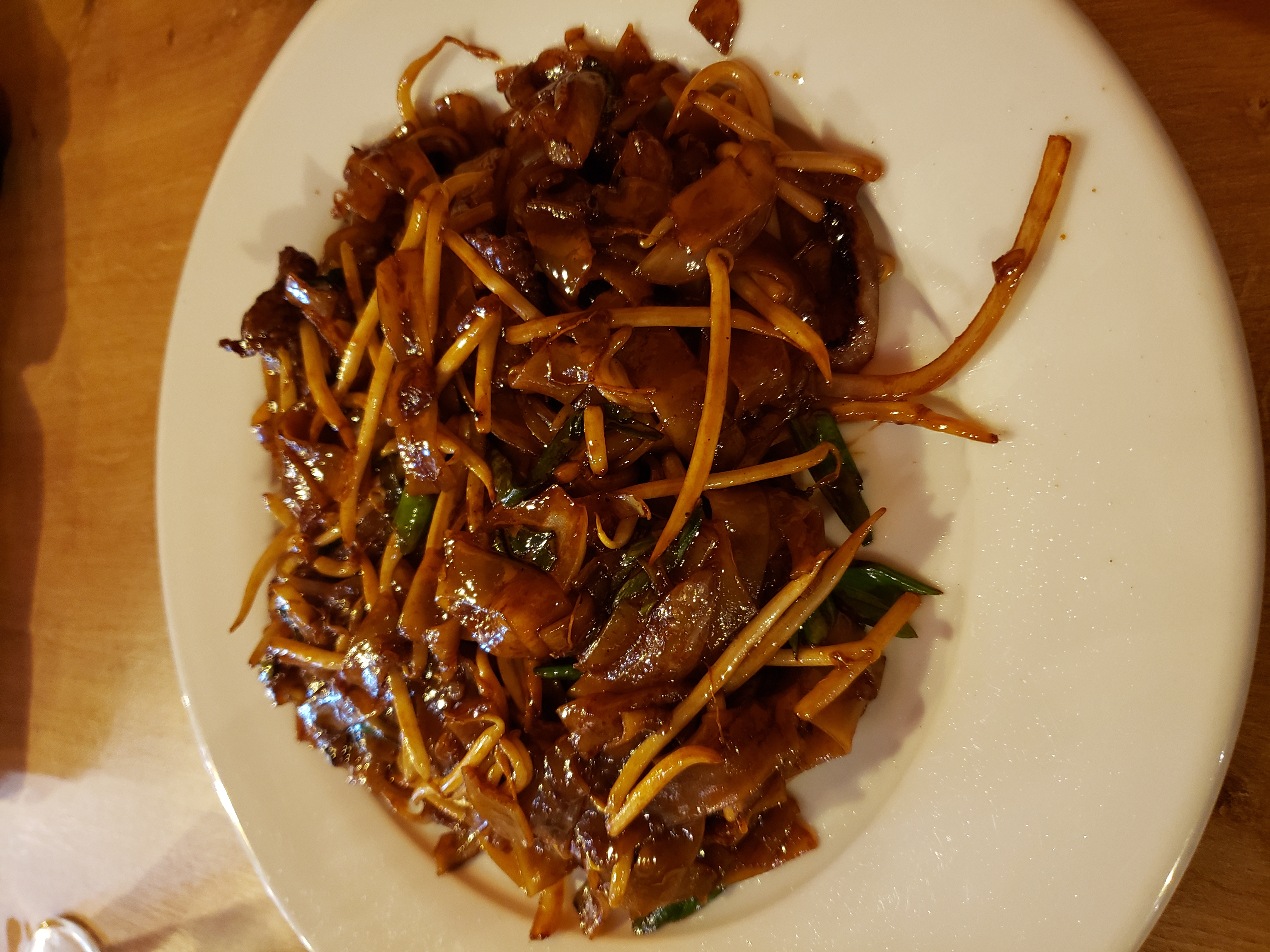
Shanghai Thick Noodles
Thick Shanghai-style noodles stir-fried with shredded pork, bok choy, and dark soy sauce — hearty, satisfying, and deeply savory.
Lire la suite →Meilleurs quartiers gastronomiques
Yu Garden (Yuyuan) Bazaar
The area around Yu Garden in the Old City is Shanghai's most famous food destination. Nanxiang Steamed Bun Restaurant draws long queues for xiaolongbao, and the surrounding bazaar is packed with snack stalls.
Yunnan Road Food Street
Yunnan Road is Shanghai's most famous food street, lined with restaurants and food stalls that have been serving locals for decades. It's the best place to try Shanghai street food classics.
The Bund / Fuzhou Road
The historic heart of old Shanghai, Fuzhou Road is home to many of the city's most famous traditional restaurants, including the legendary Wang Bao He (crab) and Lao Zheng Xing.
3-Day Shanghai Food Itinerary
Jour 1 : Shanghai Classics
Jour 2 : Street Food & Local Eats
Jour 3 : Jiangnan Fine Dining
Questions fréquentes
❓ Is Shanghai food spicy?
No. Shanghainese cuisine is known for 'heavy oil, red sauce' (nong you chi jiang) — sweet and savory flavors from soy sauce, sugar, and Shaoxing wine. Unlike Sichuan or Hunan food, Shanghai dishes rarely use chili.
❓ What's the difference between xiaolongbao and shengjianbao?
Xiaolongbao has a thin, delicate wrapper and is steamed. Shengjianbao has a thick, yeasted dough and is pan-fried — giving it a crispy bottom. Both have soup inside, but shengjian is more robust.
❓ When is hairy crab season?
September to December. Female crabs (with golden roe) are best in September-October. Male crabs (with white cream) peak in October-November. The traditional saying is 'September for females, October for males'.
❓ What's the best time to visit Shanghai for food?
Each season has its specialties: spring (March-April) for Yanduxian and bamboo shoots, autumn (September-November) for hairy crab and seasonal seafood. Summer has excellent cold noodles and desserts.
❓ Is Shanghai expensive for food?
Shanghai has food at every price point. Street food like shengjianbao costs just a few yuan. A proper Shanghainese meal at a mid-range restaurant costs 80-150 yuan per person. High-end dining can be 500+ yuan.