Must-Try Dishes in Chongqing
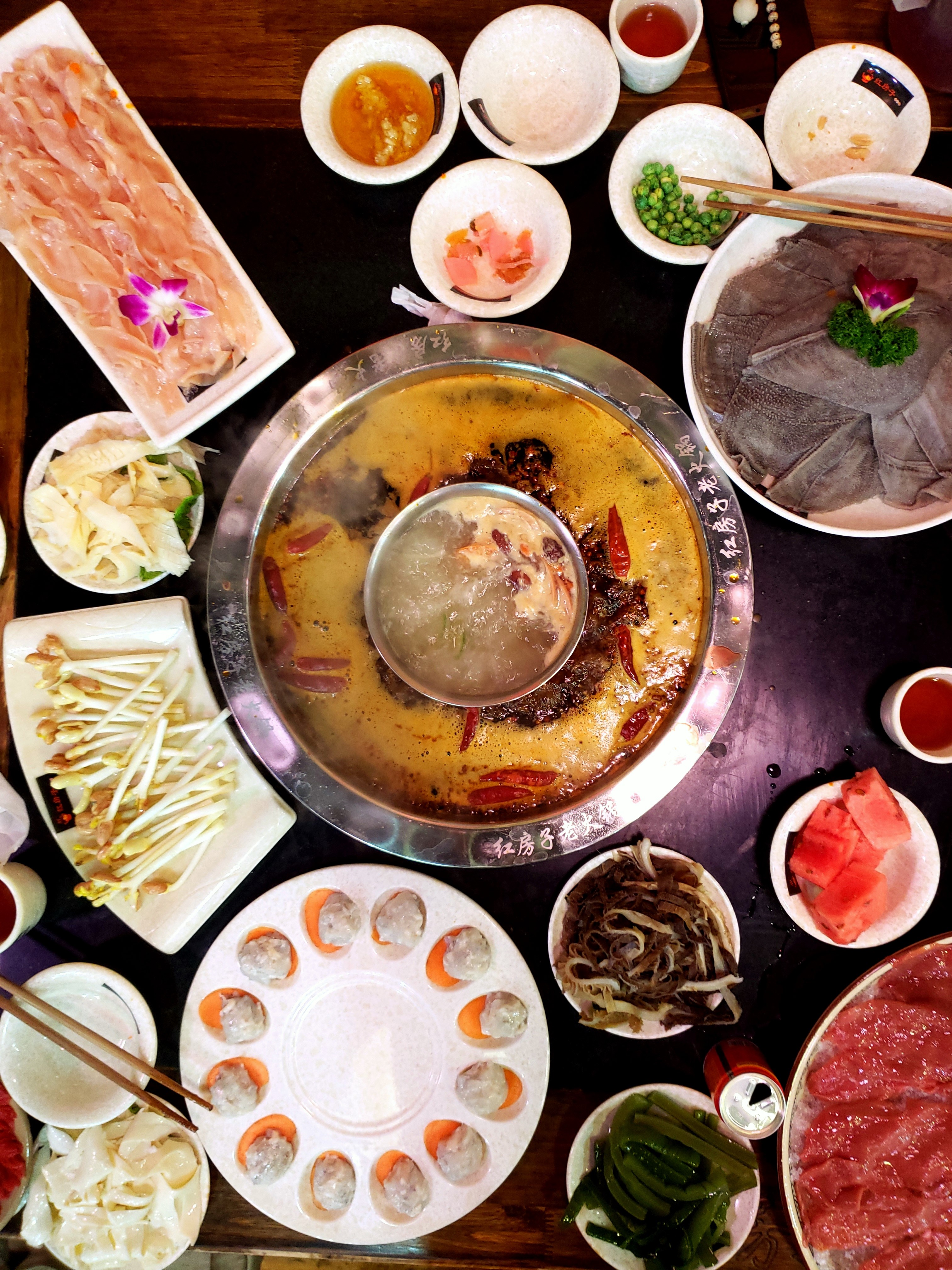
Chongqing Hot Pot
The dish that defines a city — a bubbling cauldron of chili oil, Sichuan peppercorns, and beef tallow where everything from tripe to brain gets dunked.
Read More →
Chongqing Xiao Mian
The soul food of Chongqing — a simple bowl of wheat noodles in a complex, spicy sauce that wakes up the city every morning.
Read More →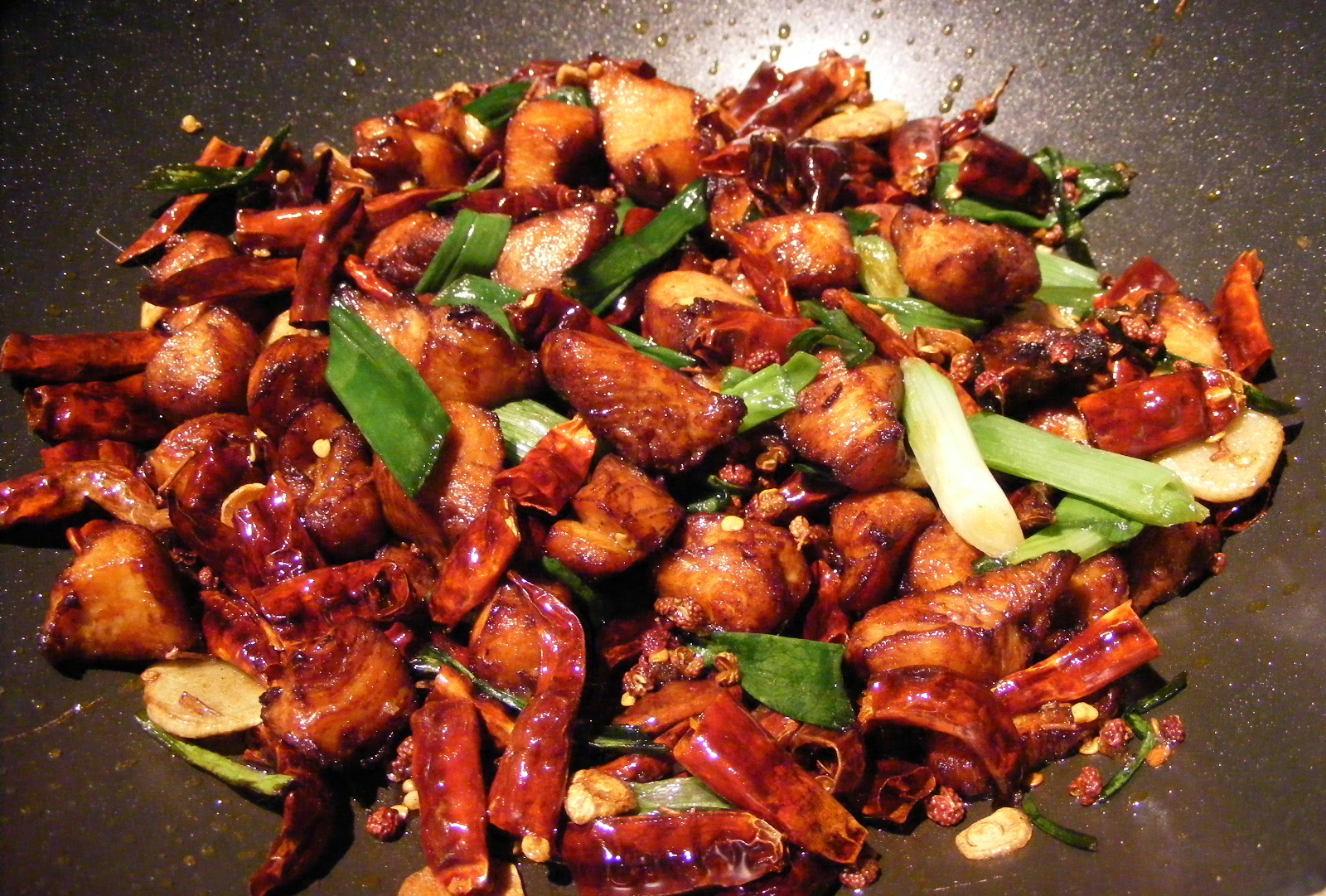
Lazi Ji
A mountain of dried chilies hides tender, crispy chicken nuggets in this iconic Chongqing dish — a treasure hunt of flavor.
Read More →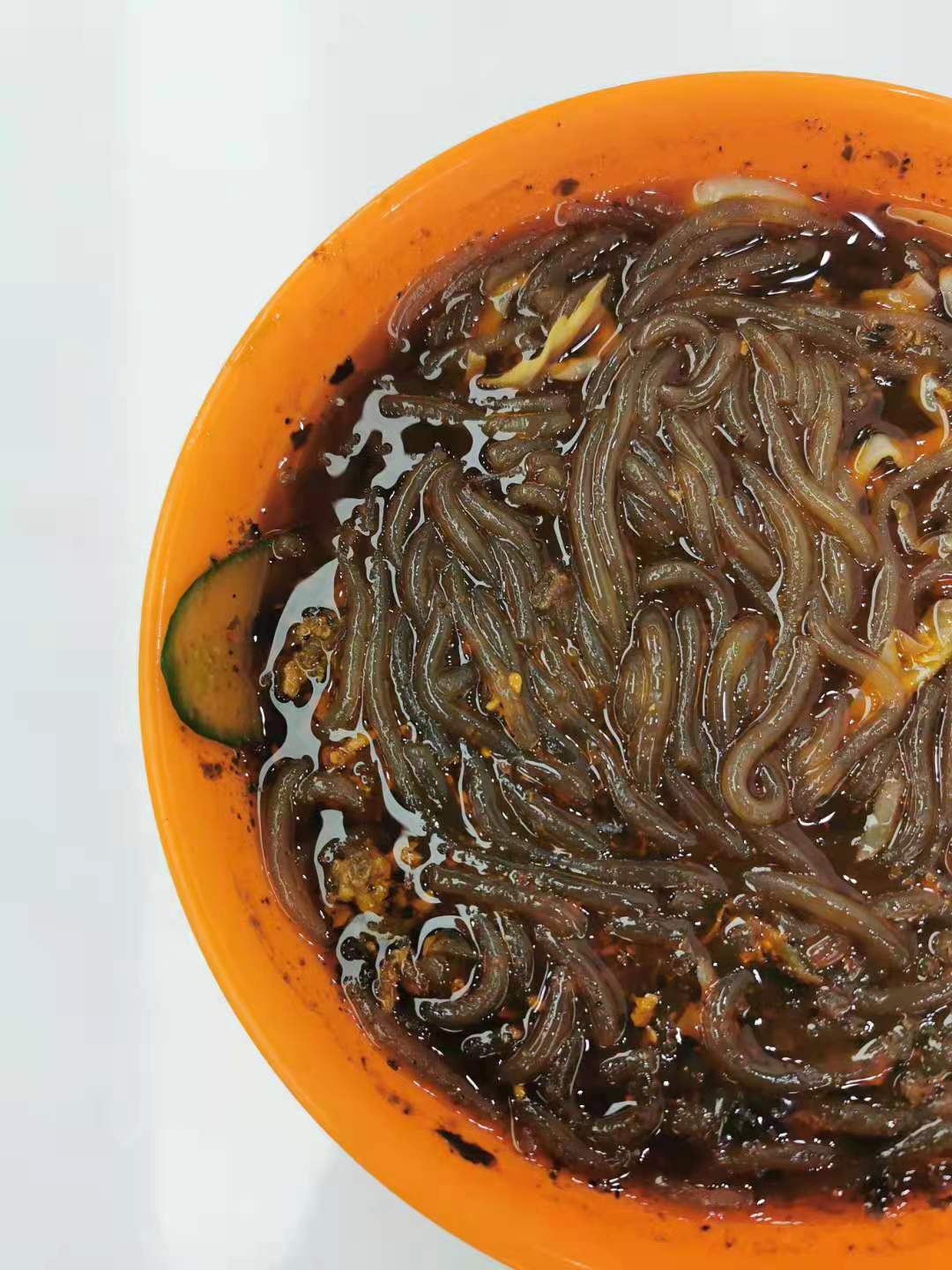
Suan La Fen
Chewy sweet potato noodles in a sour-spicy broth — Chongqing's most addictive street snack.
Read More →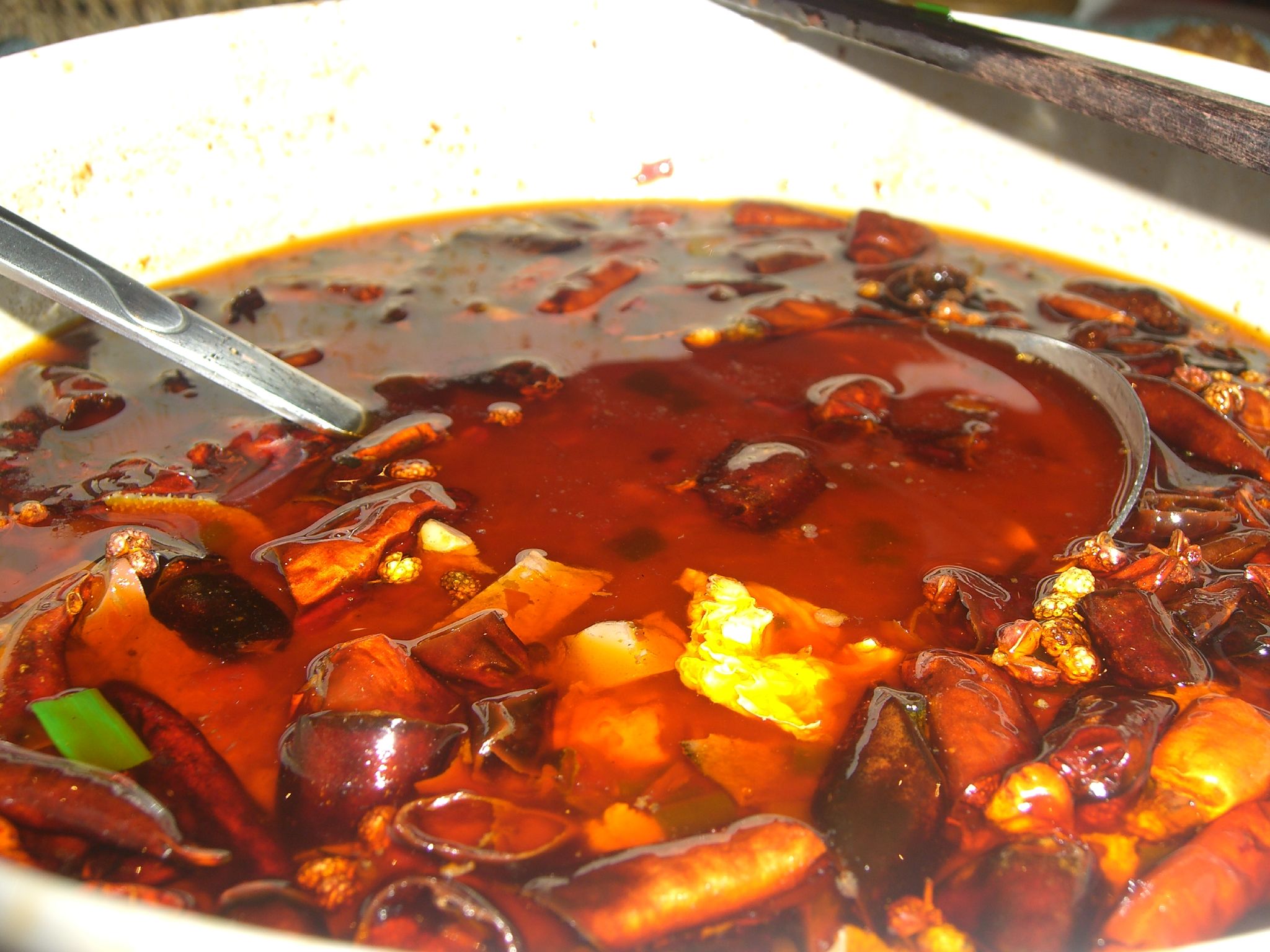
Mao Xue Wang
A fiery Chongqing classic starring duck blood cake, tripe, and luncheon meat in an ocean of chili oil.
Read More →
Shui Zhu Yu
Tender fish fillets 'water-boiled' in a lava-like layer of chili oil — a Sichuan classic perfected in Chongqing.
Read More →
Chongqing Grilled Fish
Whole fish grilled over charcoal, then simmered in a spicy sauce — smoky, crispy, and packed with Chongqing attitude.
Read More →
Qianjiang Chicken Gizzards
A fiery stir-fry of chicken gizzards, peppers, and pickled vegetables — rustic Chongqing cooking at its boldest.
Read More →
Nanshan Spring Water Chicken
Tender chicken braised in spring water with chilies — a Chongqing dish that proves the best ingredients need only fire and spice.
Read More →
Geleshan Spicy Chicken Ding
The original 'spicy chicken mountain' — crispy chicken cubes buried under a pile of fire-red chilies from Geleshan.
Read More →
Dou Hua
Silky, tender tofu pudding served with a fiery chili dipping sauce — Chongqing's vegetarian soul food.
Read More →
Chao Shou
Sichuan-style wontons in a spicy chili oil sauce — Chongqing's answer to dumplings, bigger and bolder.
Read More →
Jianghu Cai
The 'outlaw cuisine' of Chongqing — big flavors, big portions, no rules. Street-smart, fiery, and wildly creative.
Read More →
Ci Ba
Crispy fried sticky rice cakes, drizzled with brown sugar — Chongqing's favorite sweet ending to a spicy meal.
Read More →
Mao Du Hot Pot
The original hot pot of Chongqing — centered around tripe, the city's most beloved hot pot ingredient.
Read More →
Liang Pi
Chilled wheat noodles in a fiery chili dressing — the ultimate Chongqing summer snack.
Read More →
Jiangjin Sliced Pork
Crispy, sweet-and-sour pork slices from the Jiangjin district — a delicate masterpiece from a city known for brute force.
Read More →Best Food Neighborhoods
Jiefangbei (Liberation Monument)
Jiefangbei is the heart of Chongqing — a bustling commercial center where old and new collide. The area around the Liberation Monument is packed with street food stalls, hot pot restaurants, and local eateries serving everything from Xiao Mian to skewers. The pedestrian-only Bayi Food Street (八一好吃街) is the epicenter, with dozens of stalls and tiny restaurants serving Chongqing classics until midnight.
Ciqikou Old Town
Ciqikou (Porcelain Port) is a beautifully preserved Ming and Qing dynasty old town on the banks of the Jialing River. Its narrow, winding lanes are lined with food stalls, tea houses, and restaurants serving traditional Chongqing dishes. This is where Mao Xue Wang was born, and the area is famous for its rustic, old-school cooking. It's also the best place to try Ci Ba and other traditional snacks.
Nanbin Road
Nanbin Road runs along the southern bank of the Yangtze River, offering spectacular views of the Chongqing skyline. This stretch is famous for its waterfront restaurants, many specializing in grilled fish and Jianghu cuisine. The atmosphere is lively and social — groups of friends and families gather at outdoor tables overlooking the illuminated city across the river. It's the best place for a leisurely, scenic dinner.
3-Day Chongqing Food Itinerary
Day 1: Hot Pot Immersion
Day 2: Chongqing Classics
Day 3: Deep Exploration
Frequently Asked Questions
❓ Is Chongqing food spicier than Chengdu food?
Yes, most locals and food experts agree that Chongqing food is noticeably spicier and oilier than Chengdu food. While both cities love Sichuan peppercorns and chilies, Chongqing uses more beef tallow, has a heavier hand with the chili oil, and favors bolder, more aggressive flavors. Chengdu cuisine is considered more refined and balanced, while Chongqing cuisine is rugged and intense.
❓ What is the best time to visit Chongqing for food?
Spring (March-May) and autumn (September-November) offer the most pleasant weather. Summer in Chongqing is notoriously hot — one of China's 'Three Furnaces' — but locals believe that hot pot tastes best when you're already sweating. Winter is cold and foggy, perfect for hearty hot pot meals. Each season has its charms, but spring and autumn are most comfortable for exploring street food.
❓ Is Chongqing street food safe to eat?
Yes, very safe. Chongqing has strict food safety regulations, and street food turnover is rapid — popular stalls sell out within hours, so ingredients are fresh. The high temperatures used in Sichuan cooking also kill bacteria. Use common sense: choose busy stalls with high turnover, and avoid anything that's been sitting out for a long time.
❓ Do I need to speak Chinese to eat in Chongqing?
It helps but isn't essential. Many famous restaurants in Jiefangbei and Nanbin Road have picture menus or English translations. However, the best street food and hole-in-the-wall restaurants often have no English at all. Learning a few key phrases — like 'bu la' (not spicy), 'wei la' (mildly spicy), and 'jiage duoshao' (how much) — will dramatically improve your experience.
❓ What is the most unique food experience in Chongqing?
Without question, it's eating hot pot in the summer — sitting outdoors in 35°C heat, sweating into a bubbling pot of chilies, drinking cold beer, and feeling the endorphin rush. This is the quintessential Chongqing experience. Runner-up: driving up to Nanshan for spring water chicken with a panoramic view of the city's futuristic skyline emerging from the evening fog.