Must-Try Dishes in Chengdu

Mapo Tofu
The most famous Sichuan dish worldwide — silky tofu in a fiery, numbing chili bean sauce.
Read More →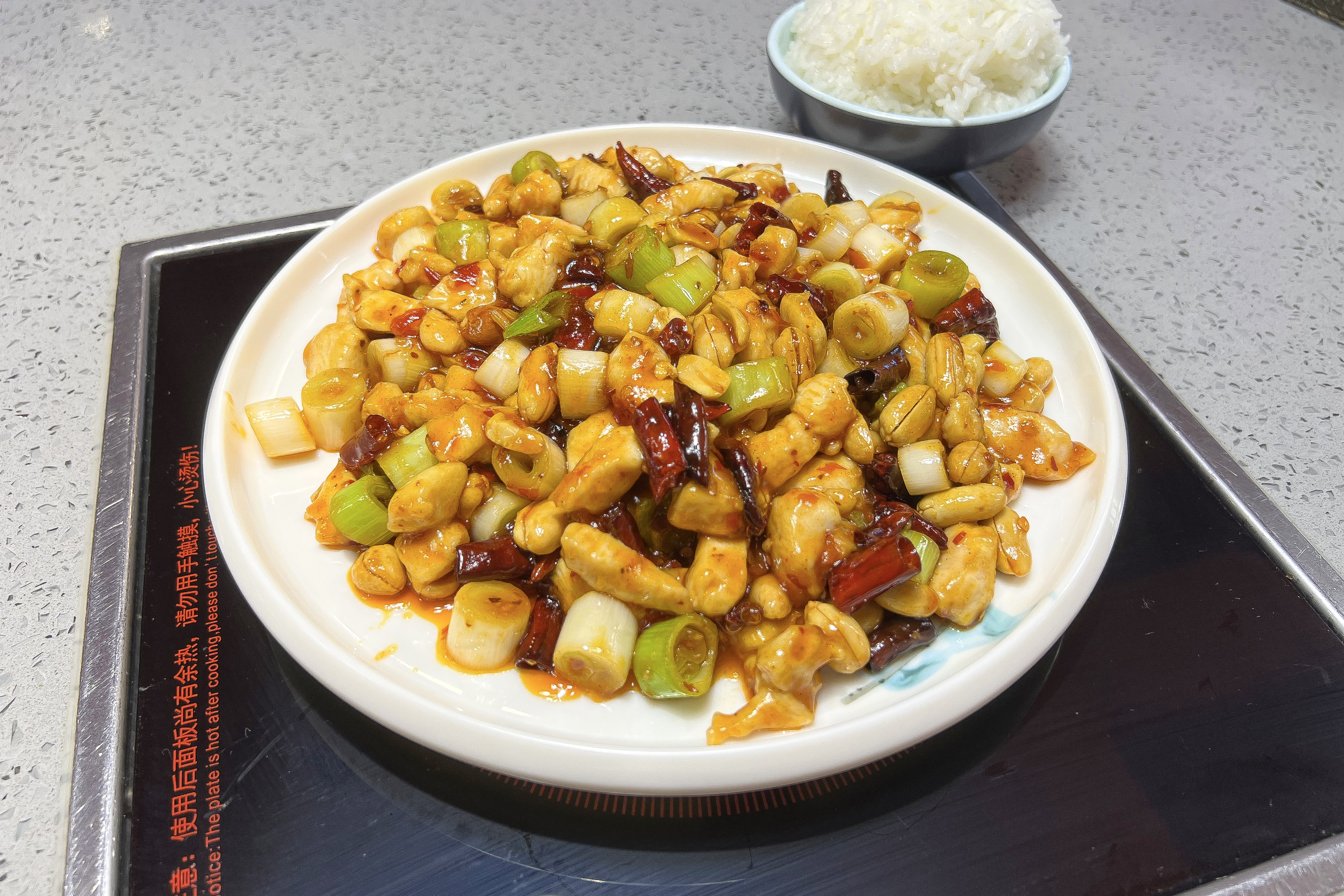
Kung Pao Chicken
Diced chicken, peanuts, and dried chilies in a sweet-savory sauce — the global ambassador of Sichuan food.
Read More →
Dan Dan Noodles
A bowl of wheat noodles tossed in a fiery sauce of chili oil, minced pork, and preserved vegetables.
Read More →
Sichuan Hot Pot
A communal dining experience where diners cook ingredients in a boiling cauldron of spiced chili broth.
Read More →
Fuqi Feipian
Chilled sliced beef offal and tripe tossed in a fiery chili oil dressing.
Read More →
Zhong Shui Jiao
Chengdu-style dumplings bathed in a savory-sweet chili sauce.
Read More →
Chuan Chuan Xiang
The street-food cousin of hot pot — skewers of meat and vegetables cooked in bubbling chili broth.
Read More →
Ci Ba (Sticky Rice Cakes)
Crispy fried sticky rice cakes drizzled with brown sugar syrup.
Read More →
Sichuan Cold Noodles
Chilled wheat noodles tossed with chili oil, vinegar, and crunchy bean sprouts.
Read More →
Twice-Cooked Pork
The quintessential Sichuan home-cooking dish — tender pork belly slices stir-fried with leeks and fermented bean paste.
Read More →Mouth-Watering Chicken
Tender poached chicken bathed in a fiery chili oil sauce that literally makes your mouth water.
Read More →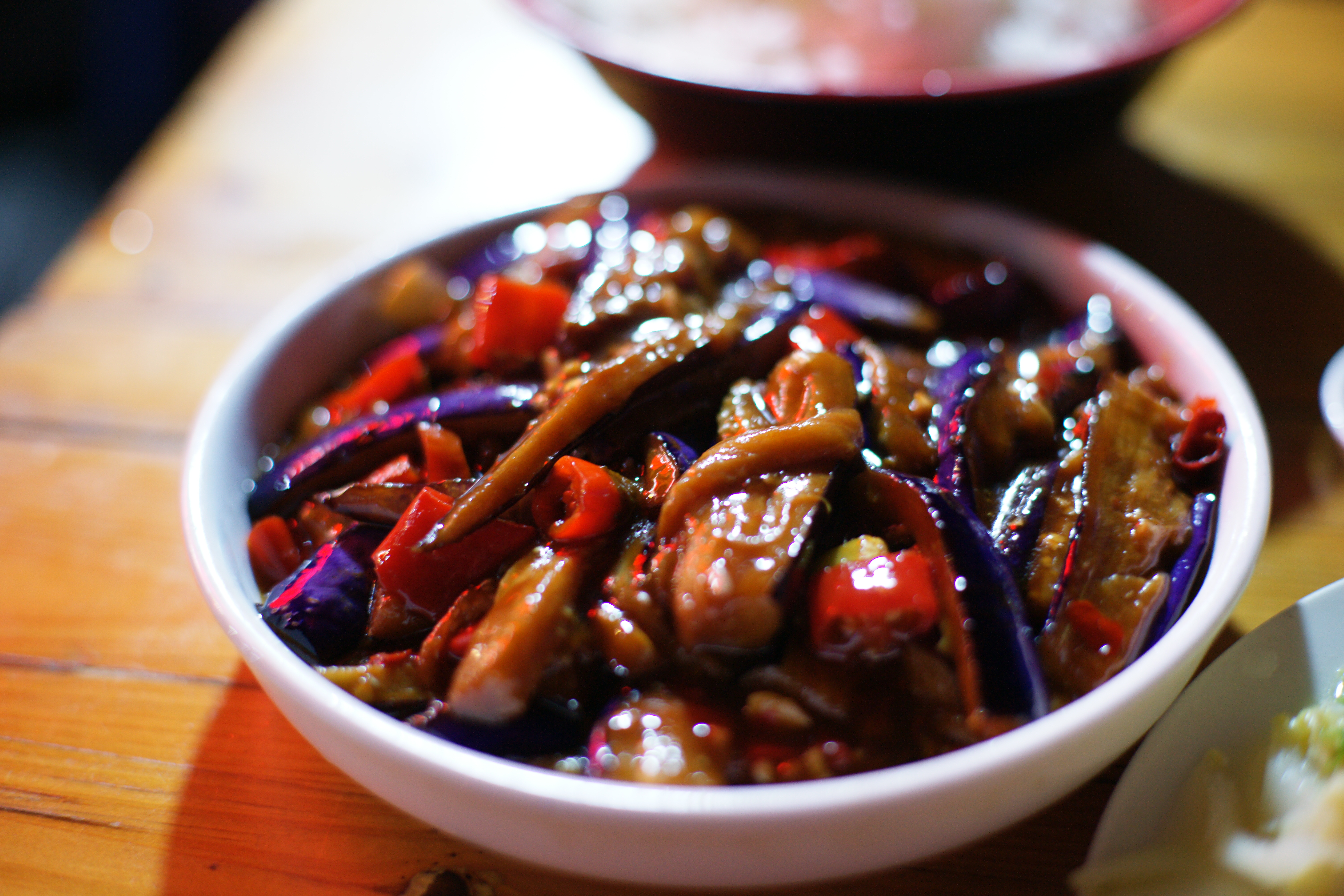
Fish-Fragrant Eggplant
Silky eggplant in a savory-sweet 'fish-fragrant' sauce — despite containing no fish at all.
Read More →Water-Boiled Fish
Tender fish fillets submerged in a sea of bubbling chili oil — Sichuan's most dramatic dish.
Read More →Sweet Water Noodles
Thick, chewy noodles in a sweet-spicy sauce — a uniquely Chengdu street food.
Read More →Egg Puff Cake
A crisp-edged, fluffy pancake filled with sweet or savory fillings — Chengdu's beloved street snack.
Read More →
Garlic White Pork
Chilled slices of pork belly rolled with cucumber, drenched in a pungent garlic-chili sauce.
Read More →
Boiled Cabbage in Supreme Broth
A deceptively simple dish — tender napa cabbage in a crystal-clear, impossibly flavorful broth.
Read More →Best Food Neighborhoods
Jinli Ancient Street
Jinli is Chengdu's most famous pedestrian street, styled after traditional Qing Dynasty architecture. It's touristy, yes, but it's also where you can find nearly every Sichuan snack in one place.
Kuanzhai Alley (Wide and Narrow Alley)
A restored historic district with three parallel lanes — Wide Alley, Narrow Alley, and Well Alley. It's a mix of traditional tea houses, boutique restaurants, and modern cafes.
Yulin Food Street
Yulin is where locals eat. Less touristy than Jinli, this area is packed with hot pot restaurants, skewer shops, and family-run noodle joints.
3-Day Chengdu Food Itinerary
Day 1: Classic Chengdu
Day 2: Street Food Adventure
Day 3: Sichuan Food Deep Dive
Frequently Asked Questions
❓ Is Chengdu food very spicy?
Yes, Sichuan cuisine is known for its bold use of chili and Sichuan peppercorns. But there are plenty of non-spicy dishes too — like tea-smoked duck, steamed pork belly, and sweet sticky rice cakes. Most restaurants can adjust spice levels.
❓ What's the difference between Chengdu and Chongqing food?
Chengdu cuisine emphasizes the 'ma la' (numbing and spicy) balance, with more complex layering of flavors. Chongqing food is generally spicier and oilier. Chengdu food is more refined, Chongqing food is more bold and rustic.
❓ Can vegetarians eat well in Chengdu?
Yes! Many Sichuan dishes are vegetable-based: mapo tofu (can be made without meat), dry-fried green beans, eggplant in garlic sauce, and cold noodles. Buddhist vegetarian restaurants also exist.
❓ What's the best time to visit Chengdu for food?
Spring (March-May) and Autumn (September-November) offer the best weather. Summer is hot and humid but the cold noodle scene is at its peak. Winter is perfect for hot pot.
❓ Do I need to speak Chinese to order food?
In tourist areas like Jinli and Kuanzhai Alley, many menus have English translations. For a more authentic experience at local restaurants, use a translation app — it's worth it.