Must-Try Dishes in Guangzhou

Dim Sum
The heart of Cantonese cuisine — bite-sized treasures served in bamboo steamers, from shrimp dumplings to BBQ pork buns.
Read More →
Char Siu (BBQ Pork)
Glossy, caramelized BBQ pork with a perfect balance of sweet and savory — the soul of Cantonese roast meats.
Read More →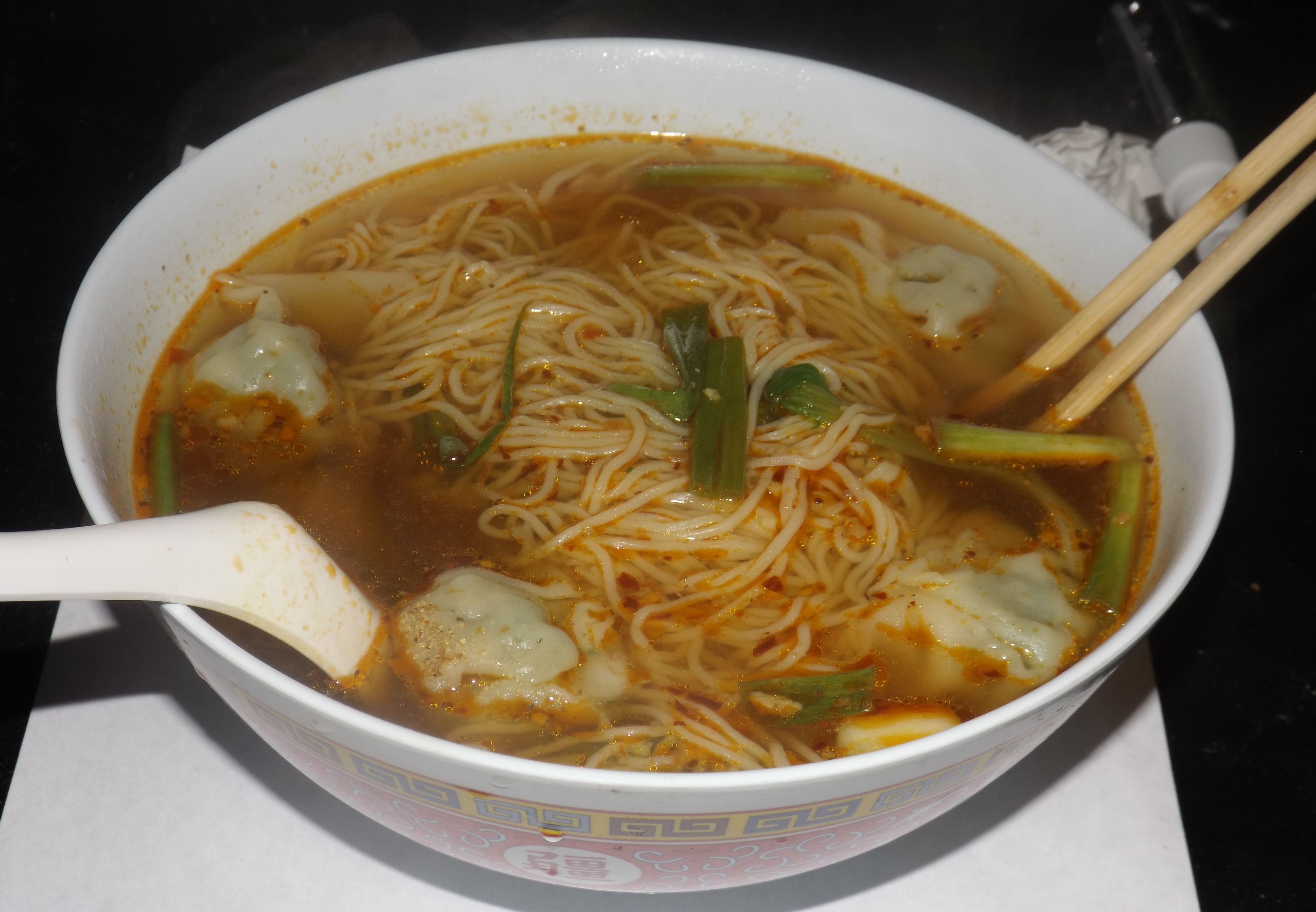
Wonton Noodles
Springy egg noodles in a golden shrimp broth, topped with plump shrimp-and-pork wontons.
Read More →White Cut Chicken
The ultimate test of a Cantonese chef — poached chicken served cold with ginger-scallion oil.
Read More →Roast Goose
Crispy-skinned, succulent goose roasted to perfection — the crown jewel of Cantonese BBQ.
Read More →
Steamed Rice Noodle Rolls
Silky steamed rice noodle sheets rolled up with fillings — Guangzhou's favorite breakfast.
Read More →Claypot Rice
Fragrant rice cooked in a claypot with Chinese sausage, cured meat, and a soy sauce drizzle.
Read More →
Egg Tarts
Flaky pastry cups filled with silky egg custard — the perfect Cantonese pastry.
Read More →
Double Skin Milk
A silky, custard-like dessert made from buffalo milk with two layers of cream — a Shunde specialty adopted by Guangzhou.
Read More →Beef Chow Fun
Wide rice noodles wok-fried with tender beef and bean sprouts — the benchmark of Cantonese wok hei.
Read More →
Sweet and Sour Pork
Crispy battered pork chunks in a tangy, vibrant sweet-and-sour sauce — the global ambassador of Cantonese food.
Read More →Cantonese Congee
Silky, slow-cooked rice porridge with an endless variety of toppings — Guangzhou's breakfast of champions.
Read More →Steamed Fish
A whole fish steamed to perfection with ginger, scallions, and a drizzle of hot soy oil — the essence of Cantonese cooking.
Read More →Stir-Fried Water Spinach
The quintessential Cantonese vegetable dish — water spinach stir-fried with garlic and fermented tofu.
Read More →
Har Gow (Shrimp Dumplings)
The queen of dim sum — translucent dumplings filled with whole succulent shrimp.
Read More →
Siu Mai (Pork Dumplings)
Open-topped pork and shrimp dumplings crowned with orange roe — a dim sum essential.
Read More →
Phoenix Claws (Chicken Feet)
Deep-fried then braised chicken feet in a savory black bean sauce — a dim sum delicacy.
Read More →
Steamed Spareribs
Pork spareribs steamed with fermented black beans, garlic, and chili — a dim sum staple.
Read More →
Lo Mai Gai (Sticky Rice in Lotus Leaf)
Glutinous rice stuffed with chicken, sausage, and mushrooms, wrapped in a lotus leaf and steamed.
Read More →
Boat Congee
A legendary Guangzhou congee packed with fish, squid, peanuts, and fried dough — born on riverboats.
Read More →
Roast Duck
Cantonese-style roast duck with crispy skin and aromatic five-spice flavor.
Read More →Best Food Neighborhoods
Shang Xia Jiu (上九路步行街)
Guangzhou's most famous shopping street is also a food paradise. Pedestrian-only, lined with century-old restaurants, roast meat shops, and dessert stalls.
Beijing Road (北京路)
A historic shopping district built on layers of ancient streets — archaeological excavations under glass show streets from the Ming Dynasty. The surrounding alleys are packed with street food and traditional restaurants.
Fangcun (芳村)
A neighborhood on the south bank of the Pearl River known for its traditional food streets and dessert shops. Less touristy, more local.
3-Day Guangzhou Food Itinerary
Day 1: Dim Sum & Classics
Day 2: Cantonese BBQ & Street Food
Day 3: Cantonese Home Cooking
Frequently Asked Questions
❓ Is Guangzhou food spicy?
No — Cantonese cuisine is the opposite of Sichuan food. It emphasizes natural flavors, freshness, and subtle seasoning. Chili is rarely used. The heat comes from ginger, white pepper, and mustard.
❓ What's the difference between Guangzhou dim sum and other dim sum?
Guangzhou is the birthplace of dim sum. The city's versions are considered the benchmark — thinner wrappers, more delicate fillings, and a wider variety. Hong Kong dim sum was influenced by Guangzhou chefs.
❓ Do I need to speak Cantonese to eat in Guangzhou?
Most restaurants in central Guangzhou understand Mandarin. In traditional shops, pointing at what others are eating works perfectly. Menus in tourist areas often have English.
❓ What's the best time for dim sum?
Dim sum is typically served from 6 AM to 2 PM. The best selection is between 8-11 AM. Go early to avoid queues at famous restaurants.
❓ Is Cantonese food expensive?
Not at all. Street food (rice rolls, wonton noodles, congee) costs $1-3 USD. Mid-range restaurant meals are $8-15 per person. High-end banquet dining can be $50+.