Must-Try Dishes in Changsha

Steamed Fish Head with Chopped Chilies
A massive fish head steamed under a blanket of fiery chopped red chilies — Hunan's most iconic dish.
Read More →
Changsha Stinky Tofu
Deep-fried fermented tofu with a famously pungent aroma and a surprisingly delicious, crispy exterior.
Read More →
Stir-Fried Pork with Chilies
The quintessential Hunan home-cooked dish — sliced pork belly wok-fried with fresh green chilies and garlic.
Read More →
Spicy Crawfish
Crawfish stir-fried in a fiery sauce of chilies, garlic, and beer — Changsha's ultimate summer street food.
Read More →
Mao's Braised Pork
Chairman Mao's favorite dish — pork belly braised without soy sauce, using caramelized sugar for a deep red color.
Read More →
Dong'an Chicken
Tender young chicken poached and tossed in a spicy, sour, and aromatic sauce — a Hunan banquet classic.
Read More →
Steamed Cured Meats
An assortment of cured pork, sausage, and fish steamed together — a taste of Hunan's preserved food tradition.
Read More →
Tangyou Baba
Chewy glutinous rice balls deep-fried and coated in a glossy caramelized sugar syrup — Changsha's sweet street snack.
Read More →
Xiangxi Grandma's Vegetables
A rustic medley of pickled and fresh vegetables stir-fried with dried chilies — the taste of a Hunan grandmother's kitchen.
Read More →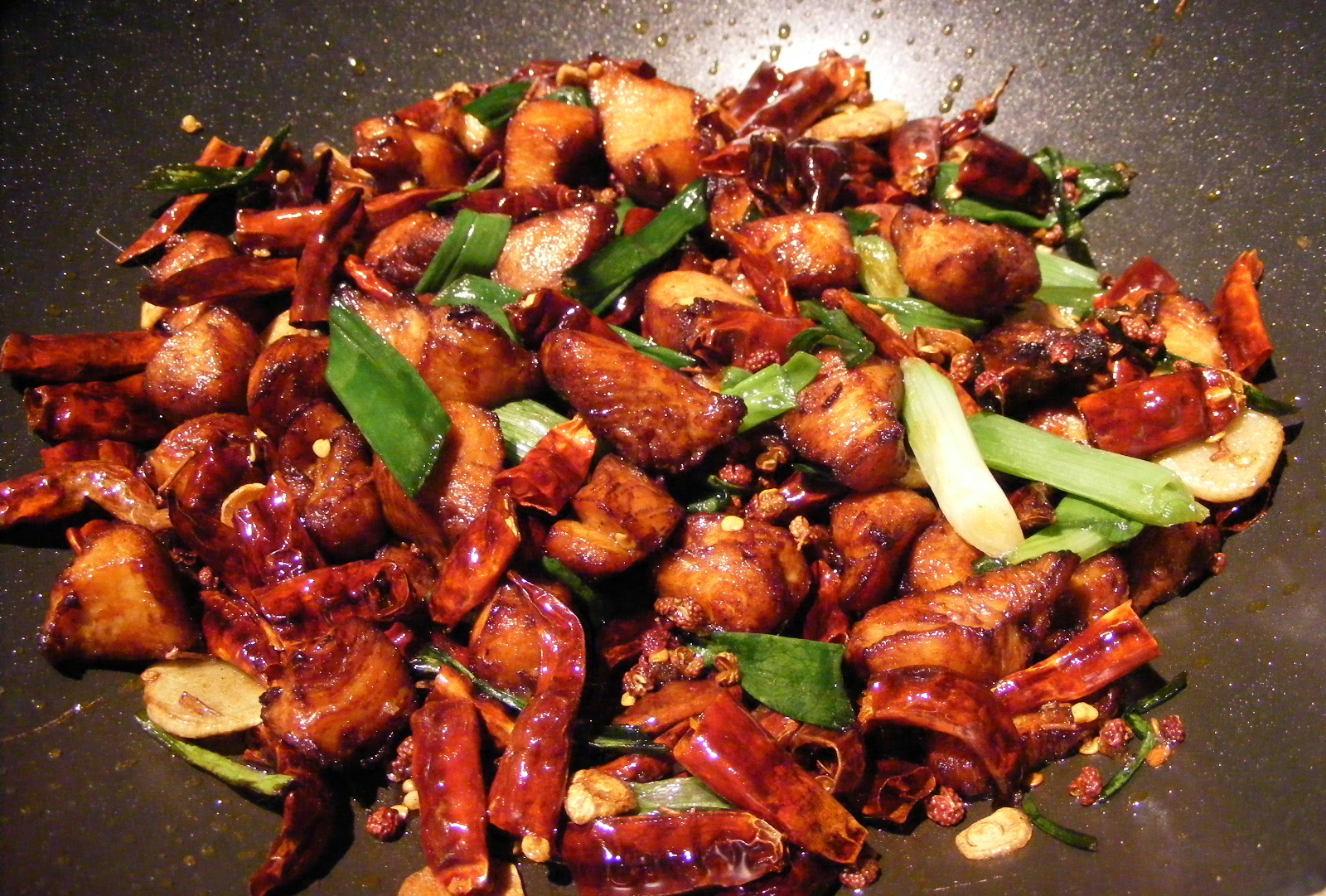
Pounded Chilies with Century Egg
Charred green chilies pounded together with century egg in a mortar — a smoky, spicy, creamy Hunan salad.
Read More →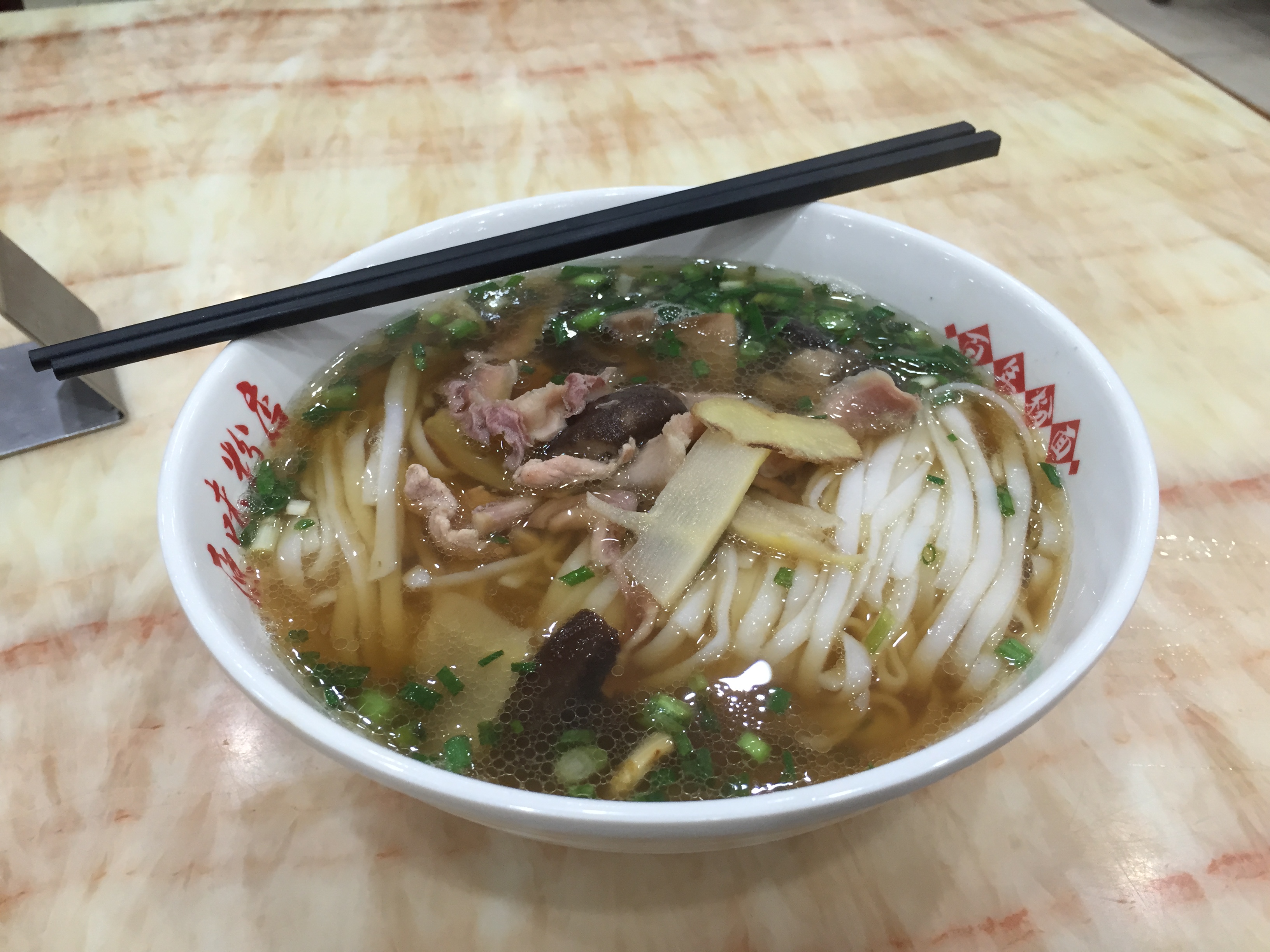
Changsha Rice Noodles
Silky rice noodles in a pork bone broth, topped with minced pork and pickled vegetables — Changsha's breakfast of champions.
Read More →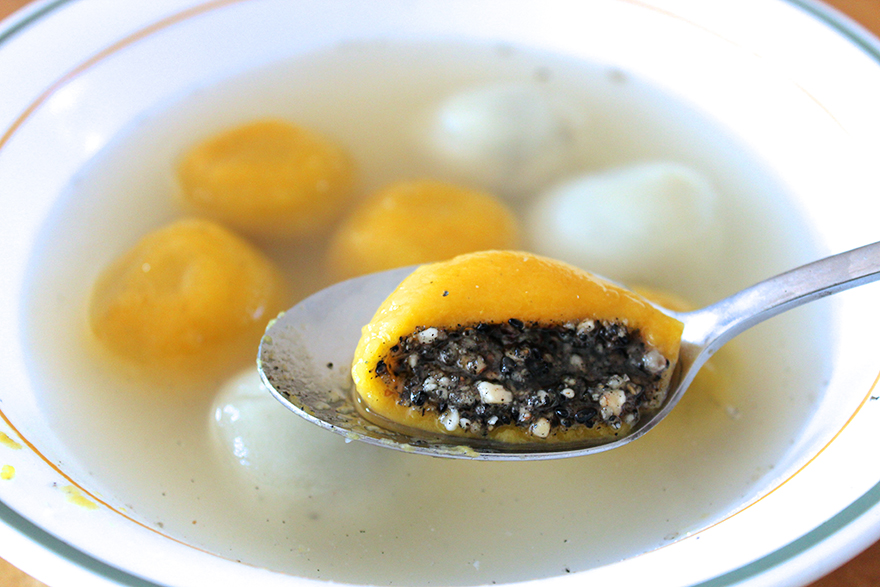
Sister Glutinous Rice Balls
Two types of glutinous rice balls — one sweet, one savory — representing two sisters, a Changsha snack tradition.
Read More →
Mala Chicken
Crispy fried chicken pieces tossed with dried chilies and Sichuan peppercorns — a fiery Hunan classic.
Read More →
Perilla Peach with Ginger
A refreshing sweet-sour pickle of peach, perilla leaves, and young ginger — Changsha's unique summer treat.
Read More →
Deyuan Steamed Buns
Fluffy, oversized steamed buns with a legendary pork filling — a Changsha breakfast institution.
Read More →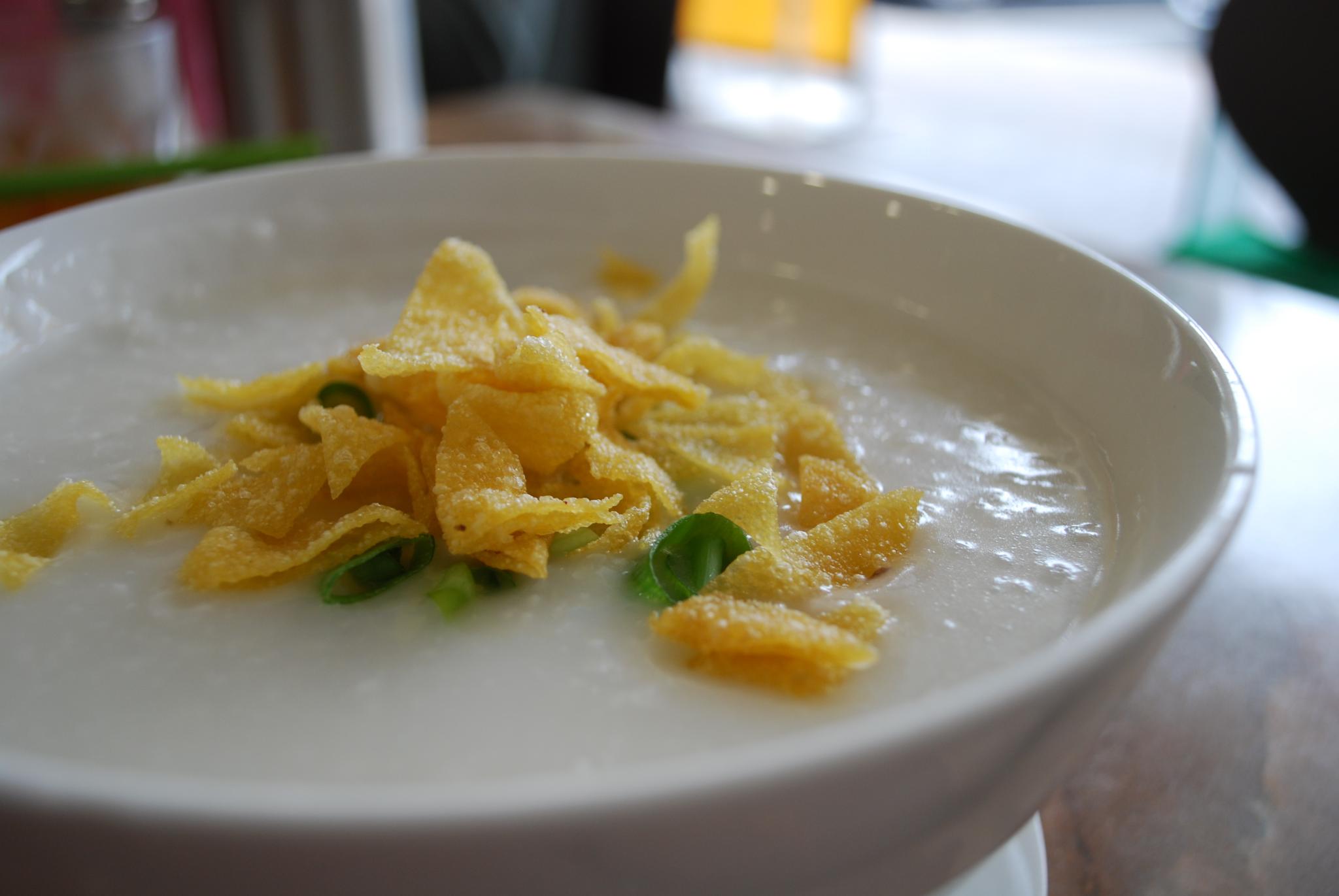
Liuyang Steamed Dishes
A variety of ingredients steamed in small clay bowls with chilies and black beans — a healthy, flavorful Hunan tradition.
Read More →
Braised Pig Trotters
Pork trotters slowly braised until sticky, gelatinous, and intensely flavorful — a Changsha delicacy.
Read More →Best Food Neighborhoods
Huogongdian (Fire Palace)
Huogongdian is Changsha's most famous food destination — a historic temple complex turned into a massive food hall serving every Hunan classic. It's where locals and tourists alike come for the full Changsha food experience.
Pozi Street
Pozi Street is Changsha's oldest food street, with a history of over 1,200 years. It's a narrow, bustling alley packed with snack stalls, restaurants, and souvenir shops. Perfect for an evening food crawl.
Donggua Mountain Night Market
Despite the name, Donggua Mountain is a legendary late-night food street in central Changsha. It comes alive after 9 PM with hundreds of stalls serving barbecue, crawfish, trotters, and cold beer.
3-Day Changsha Food Itinerary
Day 1: Hunan Classics
Day 2: Street Food Adventure
Day 3: Hunan Deep Dive
Frequently Asked Questions
❓ Is all Changsha food extremely spicy?
Most of it is, yes. Hunan cuisine is known for its bold use of fresh and dried chilies. But there are non-spicy options too — Steamed Cured Meats, Sister Rice Balls, Deyuan Baozi, and Tangyou Baba are mild or sweet. You can also ask restaurants to reduce the spice.
❓ What's the difference between Hunan and Sichuan cuisine?
Both are spicy, but differently. Sichuan uses Sichuan peppercorns for numbing sensation (ma) plus chilies for heat (la). Hunan focuses purely on the direct heat of fresh and dried chilies, with less numbing. Hunan food is often described as more straightforwardly spicy.
❓ Is stinky tofu really that stinky?
Yes, it has a strong, distinctive odor that some find off-putting. But the taste is completely different from the smell — crispy, savory, and delicious. Think of it like blue cheese: the smell is strong, but the flavor converts most people.
❓ What's the best time to visit Changsha for food?
Summer (June-September) is peak crawfish season and the night market scene is at its liveliest. However, it's hot and humid. Autumn offers milder weather and seasonal ingredients. Winter is perfect for hearty braised dishes.
❓ Can vegetarians eat in Changsha?
Hunan cuisine is heavily meat-oriented, but there are options: Liuyang steamed vegetables, Tangyou Baba, Waipo Cai (can be made without meat), and various tofu dishes. Buddhist vegetarian restaurants also exist in Changsha.