베이징에서 꼭 먹어야 할 요리



최고의 미식 거리
Wangfujing Snack Street
Wangfujing is Beijing's most famous shopping street, and its side alleys are packed with food stalls offering everything from Peking Duck to scorpions on a stick. Tourist-oriented but undeniably exciting.
Gulou (Drum Tower) Area
The area around the Drum Tower and Bell Tower is one of Beijing's most atmospheric neighborhoods, with hutong alleyways hiding excellent traditional restaurants and modern fusion spots.
Niu Jie (Ox Street) Muslim Quarter
Beijing's Muslim Quarter is home to the city's best lamb dishes. The area around Niujie Mosque has been a food destination for centuries, offering some of the most authentic Old Beijing flavors.
3天베이징美食行程
1일차:Imperial Beijing
2일차:Hutong Food Adventure
3일차:Old Beijing Deep Dive
자주 묻는 질문
❓ Is Beijing food always spicy?
No! Unlike Sichuan food, traditional Beijing cuisine is rarely spicy. It emphasizes savory, salty, and sweet flavors — bean paste, soy sauce, sesame, and garlic are the base flavors.
❓ What's the most authentic Beijing breakfast?
The classic Old Beijing breakfast is Dou Zhi (fermented mung bean drink) with Jiao Quan (crispy fried rings) and pickled vegetables. But not everyone's palate can handle it — try Chao Gan (stewed liver) for a gentler introduction.
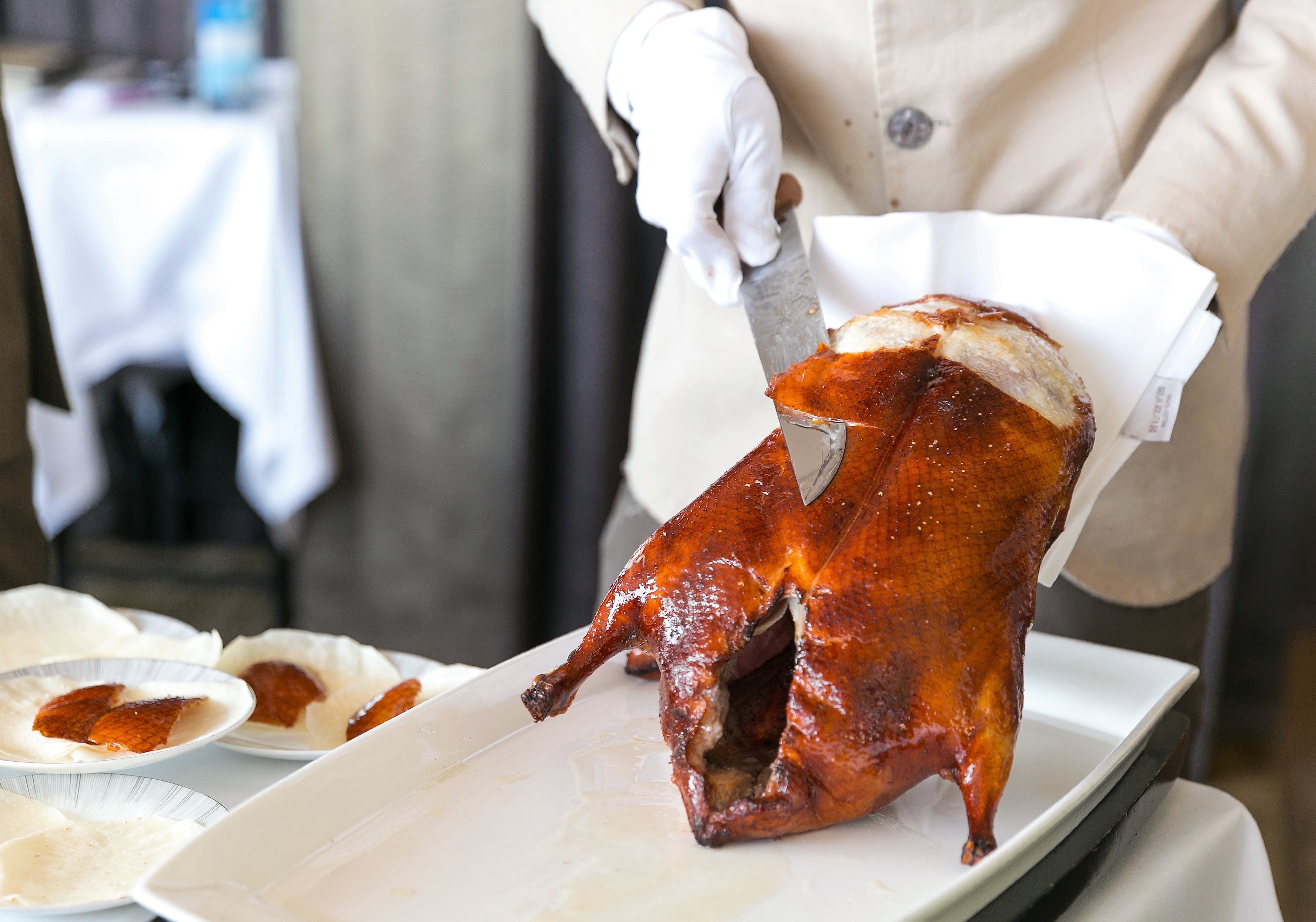
❓ Where can I find the best Peking Duck?
Quanjude (founded 1864) and Bianyifang (founded 1416) are the historic originals. Da Dong offers a modern interpretation with a thinner, crispier skin. All three are excellent.
❓ Is vegetarian food available in Beijing?
Yes. Beijing has a strong Buddhist vegetarian tradition. Many dishes in Beijing cuisine — Wan Dou Huang, Zha Jiang Mian (hold the meat), Jiao Quan, and most snacks — are naturally vegetarian or can be made so.
❓ What's the best time to visit Beijing for food?
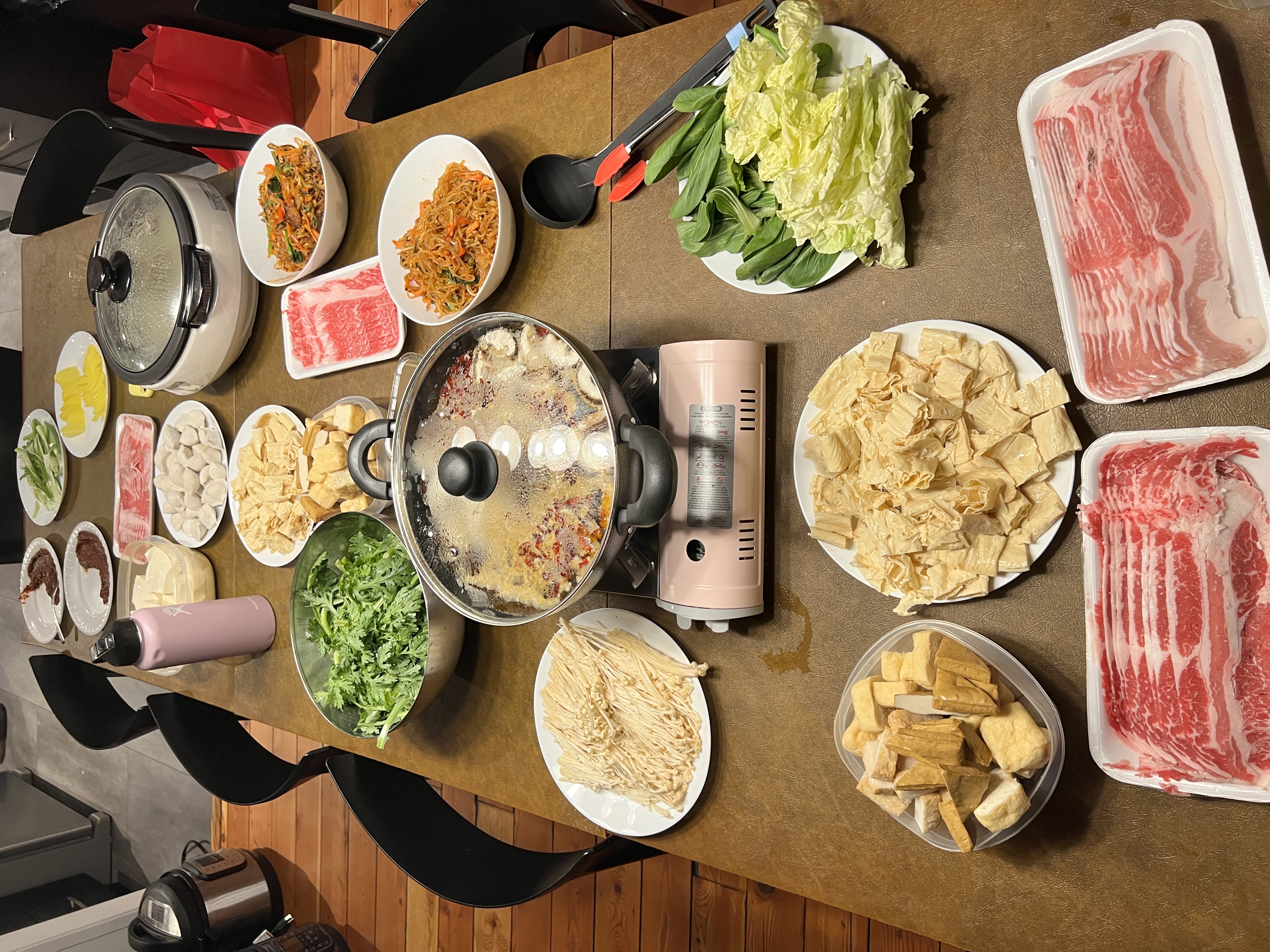
Autumn (September-October) offers the best weather and seasonal ingredients like hairy crab. Winter (November-February) is the best time for Shuan Yang Rou and Bing Tang Hu Lu.